Το ιστολόγιο "Τέχνης Σύμπαν και Φιλολογία" είναι ένας διαδικτυακός τόπος που αφιερώνεται στην προώθηση και ανάδειξη της τέχνης, της επιστήμης και της φιλολογίας. Ο συντάκτης του ιστολογίου, Κωνσταντίνος Βακουφτσής, μοιράζεται με τους αναγνώστες του τις σκέψεις του, τις αναλύσεις του και την αγάπη του για τον πολιτισμό, το σύμπαν και τη λογοτεχνία.
Arts Universe and Philology
Ετικέτες
ΕΠΙΣΤΗΜΗ
(1628)
ΔΙΑΣΤΗΜΑ
(1530)
ΛΟΓΟΤΕΧΝΙΑ
(365)
ΑΡΧΑΙΟΛΟΓΙΑ
(233)
ΙΣΤΟΡΙΑ
(206)
ΤΕΧΝΗ
(198)
ΦΩΤΟΓΡΑΦΙΑ
(152)
ΦΙΛΟΛΟΓΙΑ
(108)
ΠΑΙΔΕΙΑ
(73)
ΦΙΛΟΣΟΦΙΑ
(69)
ΡΟΜΠΟΤΙΚΗ
(49)
ΜΟΥΣΙΚΗ
(40)
ΠΟΛΙΤΙΚΗ
(33)
ΚΙΝΗΜΑΤΟΓΡΑΦΟΣ
(32)
ΤΕΧΝΗΤΗ ΝΟΗΜΟΣΥΝΗ
(30)
ΘΕΑΤΡΟ
(4)
ΛΑΟΓΡΑΦΙΑ
(2)
Τρίτη 1 Απριλίου 2014
Εξωσκελετός θα ανοίξει το Μουντιάλ. World Cup 2014 to Open with Exoskeleton Kick
Εκατομμύρια
τηλεθεατές θα δουν έναν νεαρό παραπληγικό να δίνει το εναρκτήριο λάκτισμα στο
Μουντιάλ 2014. Brain-controlled exoskeleton will allow paralyzed
teenager to kick off the World Cup 2014. Credit: Walk
Again Project
Στην
τελετή έναρξης του εφετινού Παγκόσμιου Κυπέλλου στο Σάο Πάουλο της Βραζιλίας,
ένας παραπληγικός νεαρός θα σηκωθεί από το αναπηρικό του αμαξίδιο, θα
περπατήσει μέχρι το κέντρο του γηπέδου και θα δώσει το εναρκτήριο λάκτισμα για
τους αγώνες.
Ρομποτικός
σκελετός που υπακούει στη σκέψη
The Walk Again
Project, a nonprofit collaboration dedicated to producing full-body
mind-controlled prosthetics, represents a collaboration between such academic
institutions as Duke University, the Technical University of Munich, the Swiss
Federal Institute of Technology in Lausanne, the Edmond and Lily Safra
International Institute of Neuroscience of Natal in Brazil, the University of
California at Davis, the University of Kentucky, the Duke Immersive Virtual
Environment facility.
Δεν
θα πρόκειται όμως για θαύμα -ο νεαρός θα φορά έναν ρομποτικό σκελετό που
υπακούει στη σκέψη, και θα μπορούσε να μετατρέψει τα αναπηρικά αμαξίδια σε
μουσειακά εκθέματα.
Ο
εξωσκελετός είναι το αποτέλεσμα πολυετών ερευνών στο πρόγραμμα Walk Again, μια
διεθνή προσπάθεια στην οποία συμμετέχουν μεγάλα ερευνητικά ιδρύματα στην
Ευρώπη, στις ΗΠΑ και στη Βραζιλία.
Miguel Nicolelis,
the Brazilian neuroscientist at Duke University who is leading the Walk Again
Project’s efforts to create the robotic suit, had this to say about the planned
event: We want to galvanize people’s imaginations. With enough political will
and investment, we could make wheelchairs obsolete.
Επικεφαλής
του προγράμματος είναι ο βραζιλιάνος Μιγκέλ Νικολέλις, νευροεπιστήμονας του
Πανεπιστημίου Duke στη Βόρεια Καρολίνα και πρωτοπόρος της τεχνολογίας σύνδεσης
του ανθρώπινου εγκεφάλου με μηχανές.
Small groups of
neurons, it seems, are surprisingly capable of communicating with digital
devices. Individual cells learn to communicate with computer algorithms more
effectively over time by changing their firing patterns, as revealed in a study
of a mouse’s brain published last year in Nature. This capacity for extensive
plasticity and the ability to learn comes in quite handy when designing a
prosthetic.
Το
2000, ο Νικολέλις παρουσίασε ένα σύστημα που καταγράφει την εγκεφαλική
δραστηριότητα ενός πιθήκου και αναπαράγει τις κινήσεις του με έναν ρομποτικό
βραχίονα. Πιο πρόσφατα, το 2013, πραγματοποίησε το πρώτο πείραμα σύνδεσης
ζωντανών εγκεφάλων με καλώδια, επιτρέποντας σε ένα πειραματόζωο να
αντιλαμβάνεται τα ερεθίσματα που δεχόταν ένα άλλο πειραματόζωο.
Η
προσέγγιση που ακολουθεί το πρόγραμμα Walk Again είναι παρόμοια. Ο χρήστης
στερεώνει τα πόδια του σε έναν μεταλλικό σκελετό και φορά ένα καπέλο με
ηλεκτρόδια, τα οποία καταγράφουν την εγκεφαλική δραστηριότητα και διαβιβάζουν
τα σήματα σε έναν υπολογιστή που φοριέται στην πλάτη.
Αναλύοντας
τα σήματα αυτά το λογισμικό του συστήματος αντιλαμβάνεται ποια κίνηση θέλει να
εκτελέσει ο χρήστης. Στέλνει έτσι εντολές σε υδραυλικούς κινητήρες οι οποίοι βρίσκονται
στο μεταλλικό πλέγμα που στηρίζει τα πόδια και αναλαμβάνουν να εκτελέσουν τις
κινήσεις αυτόματα.
Τα
πέλματα του χρήστη παραμένουν ακουμπισμένα σε επίπεδα στηρίγματα, τα οποία
φέρουν αισθητήρες στην κάτω επιφάνειά τους. Κάθε φορά που το στήριγμα αγγίζει
το έδαφος στέλνει σήμα σε μια συσκευή δόνησης που φοριέται στον βραχίονα και
ξεγελά τον εγκέφαλο ώστε να νομίζει ότι η δόνηση προέρχεται από τα πόδια.
Σε
δοκιμές σε συστήματα εικονικής πραγματικότητας, ο ασθενής είχε την αίσθηση ότι
τα πόδια του κινούνταν και άγγιζαν το δάπεδο. «Νιώθω ότι περπατάω στην παραλία,
ότι αγγίζω άμμο» δήλωσε ένας από τους εθελοντές της δοκιμής σύμφωνα με τον
Νικολέλις.
Ο
εξωσκελετός κινείται με τη βοήθεια μπαταριών που βρίσκονται στο σακίδιο πλάτης
μαζί με τον υπολογιστή και προσφέρουν περίπου δύο ώρες συνεχούς λειτουργίας.
Κινήσεις
ανθρώπινες, όχι ρομποτικές
German-made sensors
will relay a feeling of pressure when each foot touches the ground. And months
of training on a virtual-reality simulator will have prepared the teenager —
selected from a pool of 10 candidates — to do all this using a device that
translates thoughts into actions. In an interview with New Scientist, the lead
robotic engineer Gordon Cheng of the Technical University of Munich gave some
indication of how the suit works: The vibrations can replicate the sensation of
touching the ground, rolling off the toe and kicking off again. There’s so much
detail in this, it’s phenomenal.
«Οι
κινήσεις είναι πολύ ομαλές. Είναι ανθρώπινες κινήσεις, όχι ρομποτικές» λέει ο
Νικολέλις στην εφημερίδα The Guardian.
Τον
περασμένο μήνα, ο Νικολέλις και οι συνεργάτες του παρακολούθησαν ποδοσφαιρικούς
αγώνες στο Σάο Πάουλο προκειμένου να βεβαιωθούν ότι τα σήματα των κινητών
τηλεφώνων δεν επηρεάζουν τον εξωσκελετό.
Εκπαίδευση
εννέα παραπληγικών ασθενών
Για
την τελετή έναρξης του Παγκόσμιου Κυπέλλου, η οποία θα πραγματοποιηθεί στις 12
Ιουνίου στο στάδιο Arena Corinthians του Σάο Πάουλο, οι ερευνητές εκπαιδεύουν
εννέα παραπληγικούς ασθενείς, άνδρες και γυναίκες 20 έως 40 ετών, ένας από τους
οποίους θα επιλεχθεί για να δώσει το εναρκτήριο λάκτισμα των αγώνων.
Ο
Μιγκέλ Νικολέλις ενημερώνει για την προσπάθεια μέσω του προφίλ του στο Facebook, ενώ η ομάδα του
σχεδιάζει να λανσάρει αργότερα έναν ειδικό δικτυακό τόπο.
Η επίδειξη της τεχνολογίας στο Σάο Πάουλο είχε περιληφθεί από την επιθεώρηση
Nature στη λίστα με τις δέκα επιστημονικές εξελίξεις που μπορούμε να
περιμένουμε το 2014.
Δείτε ηλιακή έκλαμψη 35 φορές σαν τη Γη! Footage of solar flare 35 times the size of EARTH could help scientists develop protection for our planet
Scientists have for
the first time witnessed the mechanism behind explosive energy releases in the
Sun's atmosphere, confirming new theories about how solar flares are created. New
footage put together by an international team led by University of Cambridge
researchers shows how entangled magnetic field lines looping from the Sun's
surface slip around each other and lead to an eruption 35 times the size of the
Earth and an explosive release of magnetic energy into space. CREDIT: The
SDO/AIA data are courtesy of the NASA/SDO and AIA science teams.
Το
2010 το διαστημικό παρατηρητήριο SDO που μελετά τον Ήλιο και τα φαινόμενα του
κατέγραψε μια γιγάντια ηλιακή έκλαμψη το μέγεθος της οποίας ήταν 35 φορές
μεγαλύτερο από αυτό της Γης. Επιστήμονες του Πανεπιστημίου Κέιμπριτζ
δημιούργησαν ένα τρισδιάστατο μοντέλο αυτής της έκλαμψης για να μελετήσουν το
φαινόμενο.
3D μελέτη
Footage put
together by an international team led by University of Cambridge researchers
shows entangled magnetic field lines looping from the sun's surface, shown here
within the dotted lines.
Το
μοντέλο δείχνει τα μαγνητικά πεδία να περιπλέκονται μεταξύ τους δημιουργώντας
«βρόγχους» και δακτυλίους στην επιφάνεια του αστρικού μας άστρου.
Οι
ερευνητές μελετούν το βίντεο ευελπιστώντας ότι θα αποκρυπτογραφήσουν τους
μηχανισμούς του φαινομένου και θα μπορέσουμε έτσι να αναπτύξουμε καλύτερες
μεθόδους προστασίας του πλανήτη μας από τη… δράση αυτών των εκλάμψεων.
Η
απειλή
The flare was of
the most energetic kind, known as an X Class flare, and it took around an hour
to reach its maximum.
Οι
εκλάμψεις είναι ξαφνικές, απρόβλεπτες εξάρσεις του μαγνητικού πεδίου που
πηγάζουν συνήθως από τις ηλιακές κηλίδες. Συχνά συνοδεύονται από τις λεγόμενες
εκτινάξεις στεμματικού υλικού, ή CME, γιγάντιες ποσότητες φορτισμένων
σωματιδίων που εκτινάσσονται στο διάστημα με ταχύτητες εκατομμυρίων χιλιομέτρων
την ώρα. Σε περίπτωση που η Γη βρεθεί στην πορεία αυτών των γιγάντιων πιδάκων
υλικού, τα φορτισμένα σωματίδια μπορούν να προκαλέσουν βλάβες σε δορυφόρους και
συστήματα ηλεκτροδότησης και να κάνουν ασυνήθιστα έντονο το βόρειο και το νότιο
σέλας.
Φάτε επτά μερίδες φρούτων και λαχανικών ημερησίως. Eating seven or more portions of fruit and vegetables a day reduces your risk of death by 42 percent
Pierre Bonnard, Corbeille de Fruits, 1924. Η μαγική συνταγή της ζωής είναι επτά
μερίδες φρούτων και λαχανικών ημερησίως. Eating seven or
more portions of fruit and vegetables a day reduces your risk of death at any
point in time by 42 percent compared to eating less than one portion, reports a
new study. This is the first study to link fruit and vegetable consumption with
all-cause, cancer and heart disease deaths in a nationally-representative
population, the first to quantify health benefits per-portion, and the first to
identify the types of fruit and vegetable with the most benefit.
Η
κατανάλωση επτά τουλάχιστον μερίδων φρούτων και λαχανικών μέσα στη μέρα μειώνει
δραστικά -κατά 42%- τον κίνδυνο πρόωρου θανάτου από οποιαδήποτε αιτία, σύμφωνα
με μια νέα βρετανική επιστημονική έρευνα. Η μελέτη κατέληξε στο συμπέρασμα ότι
τα λαχανικά παρέχουν πολύ μεγαλύτερη ωφέλεια για την υγεία από τα φρούτα.
Η
μελέτη
Pierre Bonnard, Panier de fruits sur le vaisselier, 1924.
New research shows that eating more fruit and veg slashes the risk of premature
death by 42 per cent, compared with less than one helping a day.
Η
μελέτη έδειξε ότι όσο περισσότερα φρούτα και λαχανικά τρώει κανείς μέσα στη
μέρα, τόσο λιγότερο κινδυνεύει να πεθάνει πρόωρα σε οποιαδήποτε ηλικία. Αν, για
παράδειγμα, τρώει επτά ή περισσότερες μερίδες φρούτων και λαχανικών, τότε ο
κίνδυνος πρόωρου θανάτου ειδικά από καρκίνο μειώνεται κατά 25%, ενώ από καρδιά
κατά 31%.
This table
summarizes the main effects of fruit and vegetable consumption on risk of
death, expressed as percentage decreases. Credit: UCL
Σε
σχέση με όσους τρώνε λιγότερο από μία μερίδα φρούτων και λαχανικών τη μέρα,
όσοι τρώνε μία έως τρείς, μειώνουν τον κίνδυνο πρόωρου θανάτου (από οποιαδήποτε
αιτία) κατά 14%, όσοι τρώνε τρεις έως πέντε μερίδες καθημερινά, μειώνουν τον
κίνδυνο κατά 29%, όσοι καταναλώνουν πέντε έως επτά μερίδες, κινδυνεύουν
λιγότερο κατά 36%, ενώ για επτά και πάνω μερίδες η μείωση του κινδύνου πρόωρου
θανάτου είναι της τάξης του 42%.
Τα
ευρήματα
Pierre Bonnard, Nature morte au Compotier, 1923. Some
experts want guidelines advising people to eat 5-a-day changed on the back of
the study from University College London.
Τα
φρέσκα λαχανικά έχουν σαφώς πιο προστατευτική δράση από τα φρούτα, με κάθε
πρόσθετη μερίδα λαχανικών να μειώνει τον κίνδυνο πρόωρου θανάτου κατά 16%. Οι
σαλάτες ειδικότερα συνεισφέρουν κατά 13% ανά μερίδα στην μείωση του κινδύνου.
Το όφελος από τα φρέσκα φρούτα φαίνεται να είναι μικρότερο, με κάθε πρόσθετη
μερίδα να απομακρύνει την πιθανότητα πρόωρου θανάτου κατά 4%.
«Όλοι γνωρίζουμε ότι η κατανάλωση φρούτων και
λαχανικών είναι υγιεινή, όμως, όπως δείχνει η νέα έρευνα, το όφελος είναι
συγκλονιστικό», δήλωσε ο δρ. Ογιεμπόντε. Όπως είπε, η καλύτερη επίσημη σύσταση
διεθνώς προέρχεται από την κυβέρνηση της Αυστραλίας, η οποία συνιστά τους
πολίτες την πολιτική του «2+5» (δύο μερίδες φρούτων και πέντε μερίδες λαχανικών
τη μέρα).
Από
την άλλη, η έρευνα δεν διαπίστωσε κάποιο σημαντικό όφελος από την κατανάλωση
φρουτοχυμών, ενώ αντίθετα η κατανάλωση κονσερβαρισμένων και κατεψυγμένων
φρούτων αυξάνει τον κίνδυνο πρόωρου θανάτου κατά 17% ανά πρόσθετη ημερήσια
μερίδα. Όπως ανέφεραν οι βρετανοί ερευνητές, τα περισσότερα φρούτα σε κονσέρβες
περιέχουν μεγάλη ποσότητα ζάχαρης, η οποία μπορεί να υπεραντισταθμίσει όλα τα
οφέλη από τα φρούτα. Η μελέτη δημοσιεύεται στην επιθεώρηση «Journal of
Epidemiology and Community Health».
Πηγές: Oyinlola
Oyebode, Vanessa Gordon-Dseagu, Alice Walker, Jennifer S Mindell. Fruit and vegetable consumption and
all-cause, cancer and CVD mortality: analysis of Health Survey for England data. J Epidemiol Community Health, 31
March 2014 DOI: 10.1136/jech-2013-203500 - https://www.sciencedaily.com/releases/2014/03/140331194030.htm
Δευτέρα 31 Μαρτίου 2014
Philip Jones Griffiths: Dark Odyssey
Every so often, a
series of photographs changes the way we look at the world. When Collier Books
published Philip Jones Griffiths' Vietnam Inc. in 1971, the book was a
revelation and, for Jones Griffiths, a labour of both love and revenge.
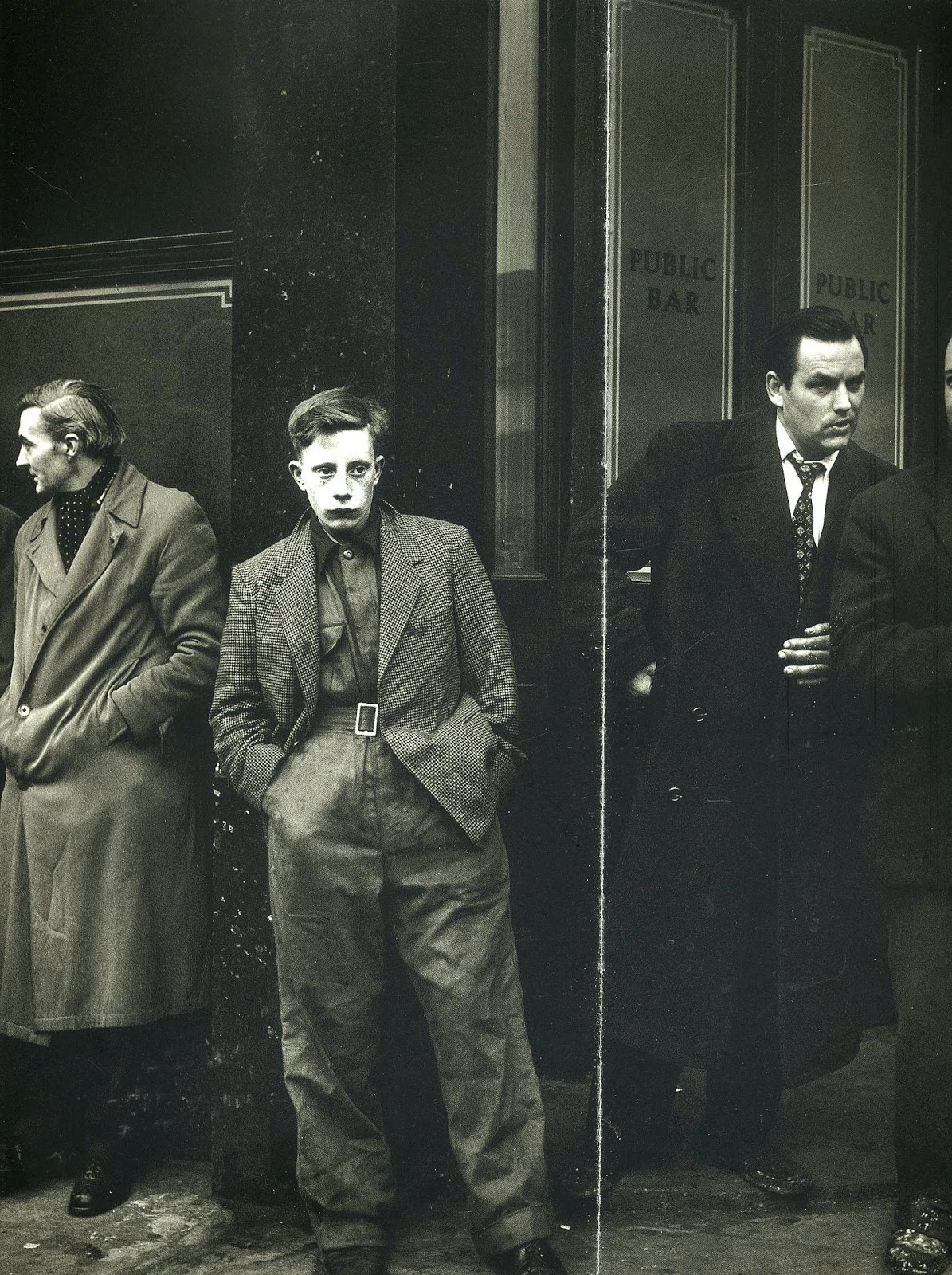
Philip Jones
Griffiths was born in 1936 in the Welsh village of Rhuddlan near Rhyl in
Flintshire. Growing up during a time when the great picture magazines – Life,
Illustrated and Picture Post – were producing powerful picture stories, he
became fascinated by photo-reportage and its ability to open a window on the
world. He taught himself photography and before long was photographing weddings
in his home town.
For the group of
photographers who congregated around Jones Griffiths in the early 1960s, the
London scene was an exciting one. At the Institute for Contemporary Arts there
was considerable interest in the new documentary photography, and a recent
touring Cartier Bresson exhibition caused much interest, as had the large-scale
"Family of Man" show at the Royal Festival Hall.
Photographers were
central characters on the post-war arts and media scene – John Deakin was active
as a portraitist in Soho, Roger Mayne was establishing himself as London's
foremost social documentarist and most of the Picture Post photographers were
still working. David Bailey and Terence Donovan would soon become not just
successful fashion photographers, but media celebrities, as they brought a new
street style into fashion magazines. Men's magazines such as Queen employed the
new photographers and gave their pictures space and dignity. In 1964, The
Observer launched its own colour supplement, and Jones Griffiths, already on
staff, became a central photographer.
Documentary
photography was very much the vogue, and from the late 1950s, Jones Griffiths
was travelling around Britain to record a country still in a state of post-war
dereliction.
The new weekend
supplements, plus the older US magazines such as Life, gave photojournalists
ample opportunities to document the war zones. Don McCullin's story, for The
Sunday Times, on the famine in Biafra has become the stuff of journalistic
legend, and in Vietnam, Philip Jones Griffiths consolidated his reputation as
an incisive and committed photojournalist.
Jones Griffiths had
always been an acute social critic, and gravitated to the left. Like many of
the younger photographers in Vietnam, he questioned the U S presence in
South-east Asia, and took the military media managers by surprise. Those who
had expected the journalistic contingent to be "on side" were
horrified by the critical reports and revealing photo stories that began to
appear in mainstream publications across the world and were unable to control
the output of energetic reporters who, as the war continued, arrived in Saigon
by the score.
The most powerful
written memories of the war in Vietnam came from Michael Herr in his reports
for Rolling Stone magazine, but the most acute photographic statement was
undoubtedly made by Jones Griffiths, who spent three years reporting from the
country. He was passionate about the plight of the Vietnamese and as well as
making photographs he also compiled data about the depredations of the
Vietnamese economy. His book Vietnam Inc. (reportedly funded by the proceeds of
a set of photographs of Jackie Kennedy holidaying in Cambodia) was an instant
success. As well as taking the photographs, Jones Griffiths had written the
detailed and acerbic text, a series of extended picture captions, which
powerfully expressed the photographer's anger and despair.
In Vietnam Inc.,
Jones Griffiths showed children in burnt-out villages, captured Viet Cong under
interrogation, families held at gunpoint by the US Marines, dead children,
blood-soaked babies, Saigon brothels, girl prostitutes, all against the
background of a beautiful and primarily rural country. He also photographed the
Marines, bewildered and confused, lashed by the monsoon, wading their way
through the rice fields and the jungle, fighting a war which, for most of them,
had no rhyme or reason.
And, along the way,
he made a valuable document of the increasing use of high technology by the US
military, the emergence of the computer, the beginning of management speak.
Jones Griffiths was particularly fascinated by the military's clumsy attempts
to become involved in the complex Vietnamese social structure.
To expect
foreigners to be able to tune into this complexly structured existence, even
when afforded every encouragement, is to be highly optimistic, especially in
the case of the Americans whose alienation as a group from the Vietnamese is
extreme; but, when the society as a whole is actively using every means
possible to prevent its happening, the expectation is wildly unrealistic.
So, what the
previous American administration should have asked itself is, whether or not to
become involved in revolutionising (and simultaneously being exploited by) a
people with whom it could not communicate: whether or not Americans should
attempt to win the hearts and minds of a people who never reveal their desires
or aspirations: whether or not it would be feasible to co-operate with a people
who have a language that is impossible to speak and difficult to read even with
the aid of a dictionary or phrase book . . . To put it another way, was it fair
to send American boys to a country where they have twenty-five different ways
of pronouncing the word "Ma"?
Vietnam Inc. was
arguably the most important photo book of the 1970s. Its first printing sold
out quickly, and has since become one of the most sought-after photography
books of our time. (It was finally reissued, 30 years later, in 2001). Though
its influence as a catalyst of political change is debatable, its importance
within photoreportage cannot be underestimated.
For the young
photographers emerging onto the independent scene in the 1970s, Vietnam Inc.
epitomised the power of photography and the photo book and pointed to the
emerging status of the photographer as author, rather than as the "other
half" of a journalistic team. Together with Don McCullin's The Destruction
Business (1971), The Concerned Photographer (1972) by Cornell Capa, David
Douglas Duncan's War Without Heroes (1970) and Larry Burrows' Compassionate
Photographer (1972), Vietnam Inc. was a central part of the new wave of photo
books in which the photographer's personal experience was central.
The idea of the
concerned photographer as a contemporary figure became the core of photographic
practice in Europe and the US. The young men (and a very few women) who were
embarking on their photographic education at the beginning of the 1970s saw
these books as models for their own practice, even when their work took them no
further than the north east of England or the English seaside. The immediacy
and passion of Vietnam Inc., together with its trenchant early warning about
the dangers of globalisation and US imperialism, set Jones Griffiths apart from
most of the English photojournalists who had worked alongside him in the UK,
and established him as a much-revered figure.
In 1971 Jones
Griffiths joined the photographers' co-op Magnum, which had been set up by
Robert Capper, Henry Cartier Bresson and George Rodger at the end of the Second
World War. With the demand for high-quality photojournalism from magazines and
galleries, Magnum was riding high as the dominant power in the photography
market, with a status that elevated its members far above the press pack. The
war photographer became a heroic figure in the public imagination and
photographers such as Don McCullin became celebrities.
Magnum protected
the interests of its members with ferocity and, as well as editorial work, the
photographers received lucrative commissions from the corporate world to
provide the visuals for company reports and increasingly, for advertising. But
however many bargains Magnum and its photographers struck with the world of business,
the public face of the agency was always that of high-minded, conscience-driven
photoreportage, promoted through books and exhibitions, as well as through
magazine pieces.
For Philip Jones
Griffiths, and the other British photographers who joined around the same time,
Magnum was the perfect home. Although noted for its tempestuous annual meetings
and the arguments around who should or shouldn't be allowed to join (Jones
Griffiths was bitterly opposed to Martin Parr's membership and refused even to
speak to Parr after he was finally allowed to join), it has been a remarkably
successful and influential organisation and Jones Griffiths played a pivotal
part in the agency throughout the next three decades, serving as president for
five years from 1980.
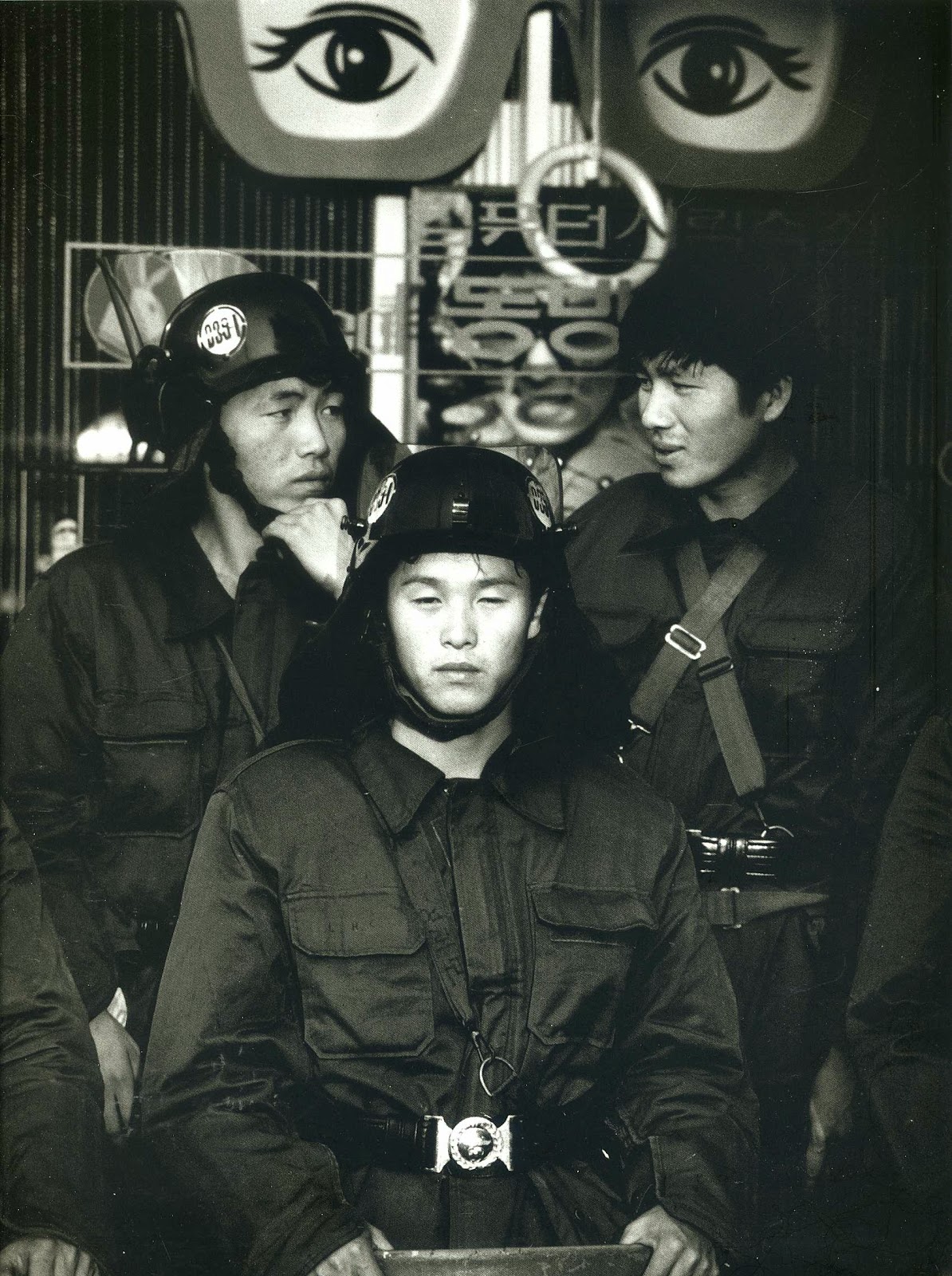
He continued to
make photojournalism for the rest of his life, though, based in New York from
1980, he was not a familiar figure on the British scene. He retained his
passionate attachment to South-east Asia but also made photographs in Algeria,
Northern Ireland, Lebanon, Kuwait and Bosnia. Vietnam Inc. was perhaps a curse
as well as a blessing for, despite all the work he produced after its
publication, his name would always be linked to this work.
The images which
Philip Jones Griffiths made in Vietnam in the late 1960s have remained a
cornerstone of the post-war photojournalistic achievement. Passionate,
partisan, campaigning, they challenged notions of objectivity and distance, and
proclaimed that the photographer was a witness rather than an observer, a taker
of testaments and a grave giver of warnings.
He continued to
make photographs, despite illness, publishing Agent Orange in 2004 and Viet Nam
at Peace in 2005. At the time of his death, he was working on Recollections, a
collection of his photographs of British life and society from the 1950s to the
1970s.
Philip Jones
Griffiths' eagerly anticipated retrospective, "Dark Odyssey" traces his forty-year journey through this
chaotic world, from his native Wales to the ravaged villages of war-torn
Vietnam, through Europe, Africa, and Asia, in more than one hundred
black-and-white photographs. The collision of culture and ideology is often the
basis of Griffiths' work, sometimes in simple pairings of figures, other times
in a dizzying throng of life. Love, death, frivolity, politics, violence; the
images in "Dark Odyssey"
(the first collection since Griffiths' acclaimed "Vietnam Inc." in 1971) comment on virtually every aspect of
human life, offering a gripping and unforgettable view of both the beauty and
devastation of our era.
Πηγή:
The Independent
Εγγραφή σε:
Αναρτήσεις (Atom)