Εντυπωσιακά
είδη περιλαμβάνει η λίστα των ειδών χλωρίδας και πανίδας που ανακαλύφθηκαν το
2012. An amazing glow-in-the-dark cockroach, a harp-shaped carnivorous sponge
and the smallest vertebrate on Earth are just three of the newly discovered top
10 species selected by the International Institute for Species Exploration at
Arizona State University. A global committee of taxonomists — scientists
responsible for species exploration and classification — announced its list of
top 10 species from 2012.
Μπορεί
ο άνθρωπος να έχει πατήσει σχεδόν κάθε σημείο του πλανήτη αλλά παρόλα αυτά η
βιοποικιλότητά του πραγματικά μας εκπλήσσει καθημερινά. Κάθε χρόνο
ανακαλύπτονται χιλιάδες νέα είδη χλωρίδας και πανίδας. Το Διεθνές Ινστιτούτο
για την Ανακάλυψη των Ειδών του πανεπιστημίου της Αριζόνα των ΗΠΑ συνεργάζεται
με δεκάδες ειδικούς από όλον τον κόσμο (ζωολόγους, ταξινόμους, βιολόγους κ.ά)
και κάθε χρόνο εκδίδει μια λίστα με τα πιο ενδιαφέροντα και εντυπωσιακά είδη
που ανακαλύφθηκαν κατά τη διάρκεια του αμέσως προηγούμενου έτους. Το Ινστιτούτο
δημοσίευσε την Πέμπτη την εφετινή λίστα η οποία καταγράφει τις δέκα πιο
εντυπωσιακές ανακαλύψεις του 2012.
Ανάμεσά τους είναι μια κατσαρίδα που λάμπει μέσα στο σκοτάδι σαν πυγολαμπίδα, μια ντροπαλή μαϊμού που έχει λαμπερά μπλε οπίσθια και μάτια σαν του ανθρώπου, ένας μεγάλος σαρκοβόρος θαλάσσιος σπόγγος σε σχήμα άρπας που σε βάθος 3.400 μέτρων τρέφεται με ζωικό πλαγκτόν και ένας βάτραχος μήκους μόλις επτά χιλιοστών.

Η «πυγο-κατσαρίδα». Endangered
shrub: Eugenia is a large, worldwide genus of woody evergreen trees and shrubs
of the myrtle family that is particularly diverse in South America, New
Caledonia and Madagascar. The new species E. petrikensis is a shrub growing to
two meters with emerald green, slightly glossy foliage and beautiful, dense
clusters of small magenta flowers. It is one of seven new species described
from the littoral forest of eastern Madagascar and is considered to be an
endangered species. It is the latest evidence of the unique and numerous
species found in this specialized, humid forest that grows on sandy substrate
within kilometers of the shoreline. Once forming a continuous band 1,600
kilometers long, the littoral forest has been reduced to isolated, vestigial
fragments under pressure from human populations. The possibly extinct
Lucihormetica luckae, which oddly resembles a Jawa from Star Wars. Photo courtesy of Vršanský et al.
Εντοπίστηκε
στο Εκουαδόρ και είναι αναμφισβήτητα το πιο εντυπωσιακό είδος κατσαρίδας. Η Lucihormetica luckae λάμπει μέσα στο σκοτάδι σαν πυγολαμπίδα.
Αν και συνήθως τέτοια χαρακτηριστικά αναπτύσσονται για να προειδοποιούν ότι
όποιος πλησιάσει κινδυνεύει (από δηλητήρια ή άλλες τοξικές ουσίες) εντούτοις η
φωσφορίζουσα κατσαρίδα είναι άκακη.

Η
ανακάλυψη του Internet. Social media
lacewing: In a trend-setting collision of science and social media, Hock
Ping Guek photographed a beautiful green lacewing with dark markings at the
base of its wings in a park near Kuala Lumpur and shared his photo on Flickr.
Shaun Winterton, an entomologist with the California Department of Food and
Agriculture, serendipitously saw the image and recognized the insect as
unusual. When Guek was able to collect a specimen, it was sent to Stephen
Brooks at London’s Natural History Museum who confirmed its new species status.
The three joined forces and prepared a description using Google Docs. In this
triumph for citizen science, talents from around the globe collaborated by using
new media in making the discovery. The lacewing is not named for its color —
rather for Winterton’s daughter, Jade.
Τράβηξε
την προσοχή ενός φωτογράφου στην Μαλαισία. Ο φωτογράφος ανάρτησε τις φωτογραφίες του εντόμου σε δημοφιλή
ιστοσελίδα φωτογραφιών όπου και αναγνωρίστηκε ως άγνωστο μέχρι σήμερα είδος. Οι
ειδικοί του έδωσαν την ονομασία Semachrysa jade.

O
σμαραγδένιος θάμνος. Endangered
shrub: Eugenia is a large, worldwide genus of woody evergreen trees and shrubs
of the myrtle family that is particularly diverse in South America, New
Caledonia and Madagascar. The new species E. petrikensis is a shrub growing to
two meters with emerald green, slightly glossy foliage and beautiful, dense
clusters of small magenta flowers. It is one of seven new species described
from the littoral forest of eastern Madagascar and is considered to be an
endangered species. It is the latest evidence of the unique and numerous
species found in this specialized, humid forest that grows on sandy substrate
within kilometers of the shoreline. Once forming a continuous band 1,600
kilometers long, the littoral forest has been reduced to isolated, vestigial
fragments under pressure from human populations.
Ο
Εugenia Petrikensis ανακαλύφθηκε στα τροπικά δάση της Μαδαγασκάρης και είναι
ένας θάμνος με φύλλα σμαραγδένιου χρώματος και βαθυπόρφυρα άνθη.

Το
τελειότερο καμουφλάζ. Hangingfly
fossil: Living species of hangingflies can be found, as the name suggests,
hanging beneath foliage where they capture other insects as food. They are a
lineage of scorpionflies characterized by their skinny bodies, two pairs of
narrow wings, and long threadlike legs. A new fossil species, Juracimbrophlebia
ginkgofolia, has been found along with preserved leaves of a gingko-like tree,
Yimaia capituliformis, in Middle Jurassic deposits in the Jiulongshan Formation
in China’s Inner Mongolia. The two look so similar that they are easily
confused in the field and represent a rare example of an insect mimicking a
gymnosperm 165 million years ago, before an explosive radiation of flowering
plants.
Οι
επιστήμονες έχουν μείνει έκπληκτοι από την ικανότητα καμουφλαρίσματος που
ανέπτυξε το Juracimbrophlebia ginkgofolia. Τα απολιθώματα του εντόμου
εντοπίστηκαν στην Κίνα και η ηλικία του υπολογίστηκε στα 165 εκατομμύρια έτη.
Σύμφωνα με τους ειδικούς πρόκειται για ένα είδος μύγας που εξελίχτηκε χρωματικά
έτσι ώστε να έχει τα ίδια ακριβώς χρώματα με το φυτό στο οποίο στεκόταν, σε ένα
δίλοβο (φυτό γνωστό και ως γκίνγκο μπιλόμπα). Η μύγα κατάφερνε να γίνει
κυριολεκτικά «ένα» με το φυτό. Είναι χαρακτηριστικό ότι οι ειδικοί
δυσκολεύτηκαν να ξεχωρίσουν φυτό και έντομο στα ευρήματα που εντοπίστηκαν.

Ο
μαύρος καταστροφέας. Fungus:
In 2001, black stains began to appear on the walls of Lascaux Cave in France.
By 2007, the stains were so prevalent they became a major concern for the
conservation of precious rock art at the site that dates back to the Upper
Paleolithic. An outbreak of a white fungus, Fusarium solani, had been
successfully treated when just a few months later, black staining fungi
appeared. The genus primarily includes fungi that occur in the soil and are
associated with the decomposition of plant matter. As far as scientists know,
this fungus, one of two new species of the genus from Lascaux, is harmless.
However, at least one species of the group, O. gallopava, causes disease in
humans who have compromised immune systems.
Ανακαλύφθηκε
στις σπηλαιογραφίες του Λασκό στη Γαλλία και ο εντοπισμός του σήμανε συναγερμό.
Ο Ochroconis anomala είναι ένα μαύρος μύκητας που απειλεί τις πανάρχαιες βραχογραφίες
στο διάσημο γαλλικό παλαιολιθικό σπήλαιο του Λασκό. Οι ειδικοί προσπαθούν τώρα
να εμποδίσουν την καταστροφική δράση του μύκητα στις ηλικίας 17 χιλιάδων ετών
ζωγραφιές.

Με
τα μάτια του...ανθρώπου. Old
World monkey: Discovered in the Lomami Basin of the Democratic Republic of the
Congo, the lesula is an Old World monkey well known to locals but newly known
to science. This is only the second species of monkey discovered in Africa in
the past 28 years. Scientists first saw the monkey as a captive juvenile in
2007. Researchers describe the shy lesula as having human-like eyes. More
easily heard than seen, the monkeys perform a booming dawn chorus. Adult males
have a large, bare patch of skin on the buttocks, testicles and perineum that
is colored a brilliant blue. Although the forests where the monkeys live are
remote, the species is hunted for bush meat and its status is vulnerable. Photo
courtesy of Hart et al.
Ήταν
μέχρι πέρυσι «κρυμμένος» στα δάση της Λαικής Δημοκρατίας του Κονγκό. Ο
Cercopithecus lomamiensis είναι ένας ντροπαλός και συνήθως ήσυχος πίθηκος με
δύο χαρακτηριστικά που ξεχωρίζουν. Τα μάτια του που μοιάζουν πολύ με εκείνα του
ανθρώπου καθώς τα έντονα μπλε απόχρωσης οπίσθια του.
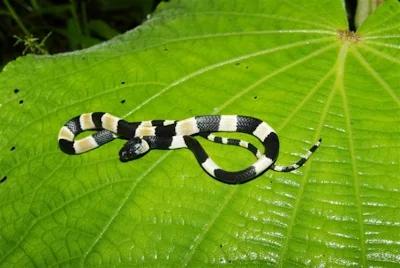
Ο
κυνηγός της νύχτας. Snail-eating
snake: A beautiful new species of snail-eating snake has been discovered in the
highland rainforests of western Panama. The snake is nocturnal and hunts
soft-bodied prey including earthworms and amphibian eggs, in addition to snails
and slugs. This harmless snake defends itself by mimicking the alternating dark
and light rings of venomous coral snakes. The species is found in the Serranía
de Tabasará mountain range where ore mining is degrading and diminishing its
habitat. The species name is derived from the Spanish phrase “No a la mina” or
“No to the mine.” Photo ©
Sebastian Lotzkat.
Εντοπίστηκε
στον Παναμά και ονομάστηκε Sibon noalamina. Είναι ένα μικρό φίδι που κυνηγά την
νύχτα και τρέφεται κυρίως με σαλιγκάρια. Αν και είναι άκακο εντούτοις έχει
αναπτύξει χρώματα που μοιάζουν με εκείνα ενός δηλητηριώδους φιδιού έτσι ώστε να
αποφεύγουν να το πλησιάζουν οι εχθροί του.

Η
θαλάσσια άρπα. Carnivorous
sponge: A spectacular, large, harp- or lyre-shaped carnivorous sponge
discovered in deep water (averaging 3,399 meters) from the northeast Pacific
Ocean off the coast of California. The harp-shaped structures or vanes number
from two to six and each has more than 20 parallel vertical branches, often
capped by an expanded, balloon-like, terminal ball. This unusual form maximizes
the surface area of the sponge for contact and capture of planktonic prey.
Η
Chondrocladia lyra είναι ένας θαλάσσιος σπόγγος σε σχήμα άρπας που σε βάθος
3.400 μέτρων τρώει ζωικό πλαγκτόν. Εντοπίστηκε σε ένα σημείο του
Νοτιοανατολικού Ειρηνικού.

Ο
«αόρατος» βάτραχος. Tiny
frog: Living vertebrates — animals that have a backbone or spinal column —
range in size from this tiny new species of frog, as small as 7 millimeters, to
the blue whale, measuring 25.8 meters. The new frog was discovered near Amau
village in Papua, New Guinea. It captures the title of ‘smallest living
vertebrate’ from a tiny Southeast Asian cyprinid fish that claimed the record
in 2006. The adult frog size, determined by averaging the lengths of both males
and females, is only 7.7 millimeters. With few exceptions, this and other
ultra-small frogs are associated with moist leaf litter in tropical wet forests
— suggesting a unique ecological guild that could not exist under drier
circumstances.
Πραγματικά
δεν τον...πιάνει το μάτι σου. Ο Paedophryne amanuensis έχει μήκος μόλις 7.7
χιλιοστών και είναι το μικρότερο γνωστό
είδος σπονδυλωτού ζώου. Εντοπίστηκε σε τροπικό δάσος της Νέας Γουινέας και έχει
ιδιαίτερη αλτικότητα αφού μπορεί να πραγματοποιήσει ένα άλμα σε απόσταση 30
φορές μεγαλύτερη από αυτή του σώματος του.

Η
πιο μικρή βιολέτα. Tiny
violet: Not only is the Lilliputian violet among the smallest violets in the
world, it is also one of the most diminutive terrestrial dicots. Known only
from a single locality in an Intermontane Plateau of the high Andes of Peru,
Viola lilliputana lives in the dry puna grassland eco-region. Specimens were
first collected in the 1960s, but the species was not described as a new until
2012. The entire above ground portion of the plant is barely 1 centimeter tall.
Named, obviously, for the race of little people on the island of Lilliput in
Jonathan Swift’s Gulliver’s Travels.
Η
Viola lilliputana είναι μια μικροσκοπική βιολέτα ύψους μόλις ενός εκατοστού που
προτιμά τις βουνοκορφές των Άνδεων.
Μάλιστα
η ανακοίνωση της εφετινής λίστας έγινε στις 23 Μαΐου, ημερομηνία γέννησης του
μεγάλου σουηδού βοτανολόγου Κάρολου Λιναίου, ο οποίος εγκαινίασε την σύγχρονη
επιστημονική ταξινόμηση των ειδών τον 18ο αιώνα.